


Biographical Highlights of Saint Pio of Pietrelcina
Saint Pio of Pietrelcina, a priest of the Order of Friars Minor Capuchin, lived from 1887 to 1968.
Born on May 25, 1887, in Pietrelcina, a small village in the province of Benevento, he was the son of Grazio Forgione and Maria Giuseppa De Nunzio, humble landowners. Baptized with the name Francesco, he was raised in a deeply religious family environment and parish community.
By the age of ten, he expressed his heartfelt desire to become a friar. To support his vocation and allow him to pursue private studies, his father emigrated to America to provide financial means for his education.
On January 6, 1903, Francesco entered the Capuchin novitiate in Morcone, taking the name Brother Pio. Over the next six years, he pursued his studies in various monasteries, frequently interrupted by returns to his hometown due to fragile health. He was ordained a priest on August 10, 1910, in the cathedral of Benevento. After a period of uncertainty caused by his health issues, he was assigned in 1916 to the monastery in San Giovanni Rotondo on the Gargano Peninsula, where he would remain for the rest of his life.
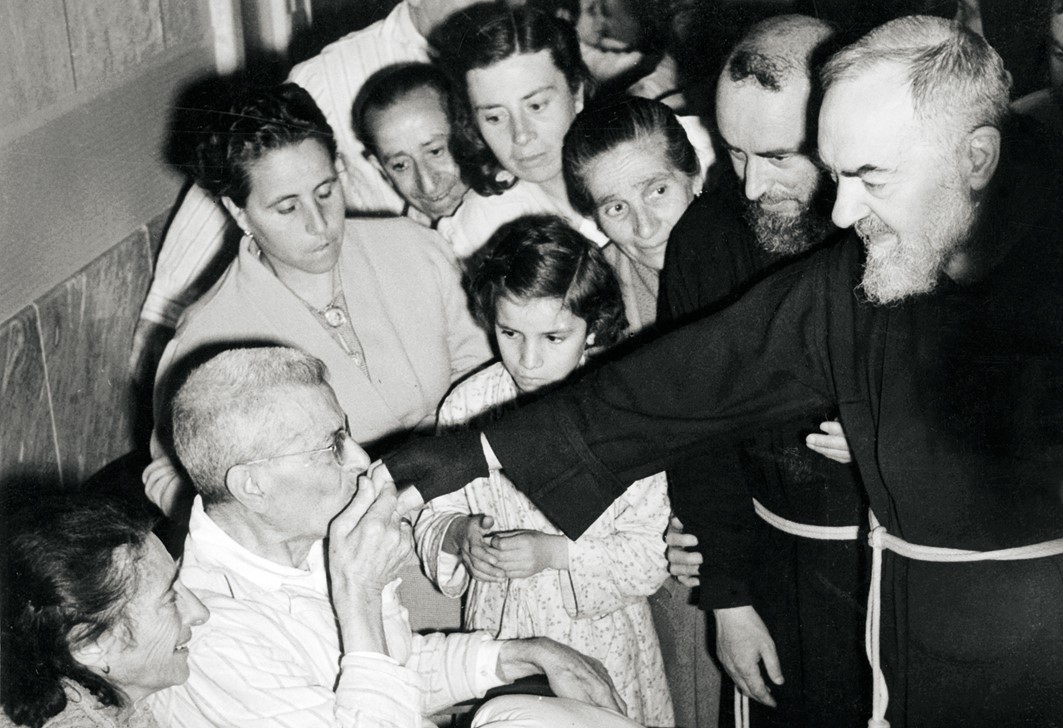
On September 20, 1918, Padre Pio received the miraculous gift of the stigmata on his hands, feet, and side.
This extraordinary phenomenon attracted crowds from across Italy and abroad, raising profound questions for both science and the Church. The Holy See conducted numerous investigations to verify the authenticity of the stigmata and to evaluate his character, at times imposing restrictions on his ministry.
Despite the public scrutiny, the fifty years that followed were marked by Padre Pio’s steadfast dedication to his mission. His life revolved around the celebration of Mass, hearing confessions, and guiding the countless faithful who sought his counsel and prayers.
Renowned as an exceptional confessor and a spiritual guide, he devoted himself tirelessly to prayer and urged others to do the same. Many experienced profound conversions through his intercession, abandoning disbelief and immoral living. People from all walks of life, including those in high positions, sought him out at his monastery. To all, he offered firm spiritual direction, teaching through both his words and his example that prayer must be the cornerstone of life.
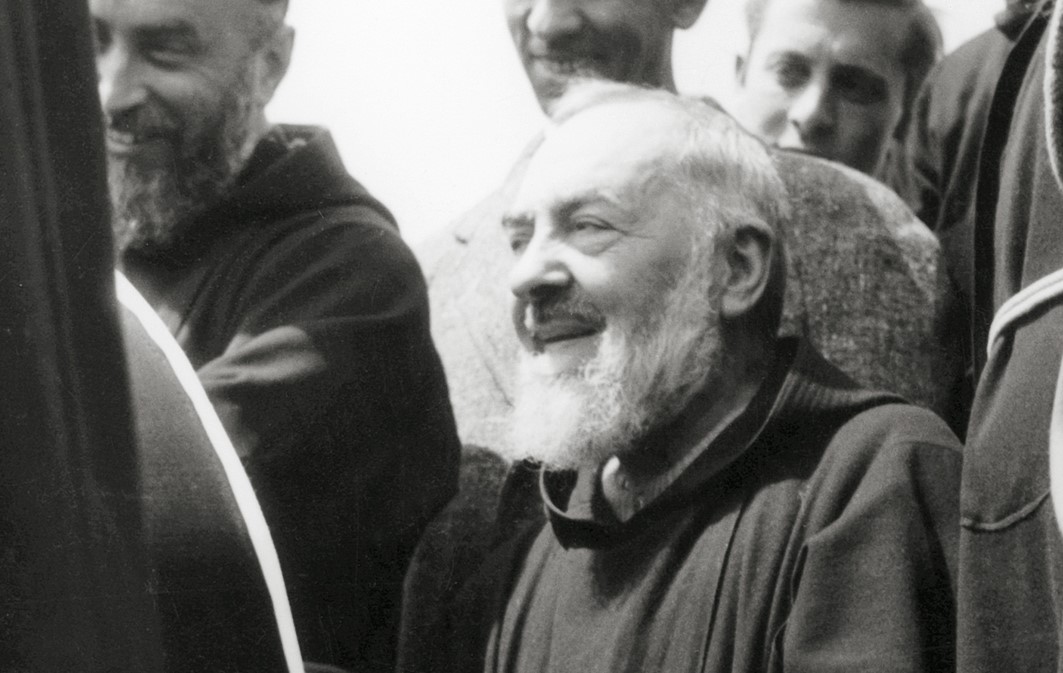
Padre Pio passed away on September 23, 1968, widely regarded as a saint. After the canonical process, Pope John Paul II declared him Venerable on December 18, 1997. Numerous graces and miracles have been attributed to his intercession.
On December 21, 1998, the Consistory of the Holy See approved a miracle attributed to Padre Pio’s intercession, leading to his Beatification on May 2, 1999, in St. Peter’s Square, attended by an enormous crowd of faithful.
On February 25, 2002, the recognition of a second miracle paved the way for his Canonization, which was celebrated on June 16, 2002.